How Reiki Healing works on the body's energy field
Manmeet Kaur · May 2026 · 7 min read
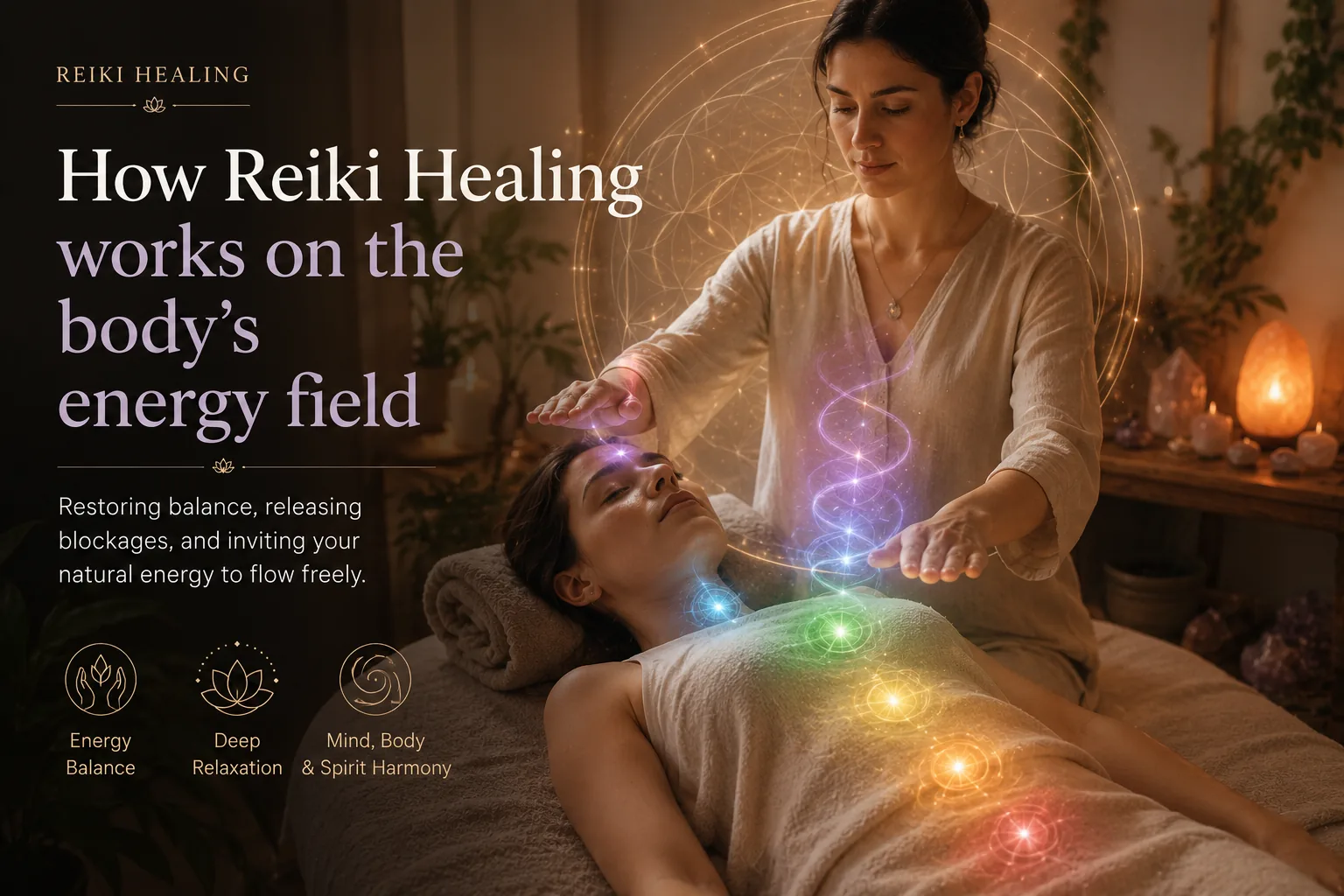
Reiki is a Japanese energy-healing practice built on a simple premise: that the body carries a subtle life-force energy, and that gentle, intentional touch or presence can help that energy move more freely through areas where stress, tension, or old emotion have caused it to stagnate.
A session is quiet, almost deceptively simple. You lie down, fully clothed, while the practitioner rests their hands lightly on or just above different points of the body, working through a sequence meant to invite the nervous system out of "fight or flight" and into rest. Many people describe waves of warmth, gentle tingling, or a sudden heaviness that signals the body finally letting go of tension it had been holding for a long time.
I'm often asked whether Reiki is spiritual or physical, and my honest answer is that I don't think the two are as separate as we're taught to believe. Chronic stress has well-documented physical effects — on sleep, digestion, immunity, pain. Anything that reliably calms the nervous system, Reiki included, has a legitimate physical impact, alongside whatever you want to call the subtler energetic layer.
It isn't a replacement for medical care, and I'm always upfront about that with new clients. What I've seen it do consistently, across hundreds of sessions, is help people arrive at a state of calm that's hard to reach on your own — especially for those carrying grief, burnout, or anxiety that medicine alone hasn't fully addressed.
If you're curious but skeptical, that's a completely reasonable place to start from. Most of my most devoted clients started exactly there.

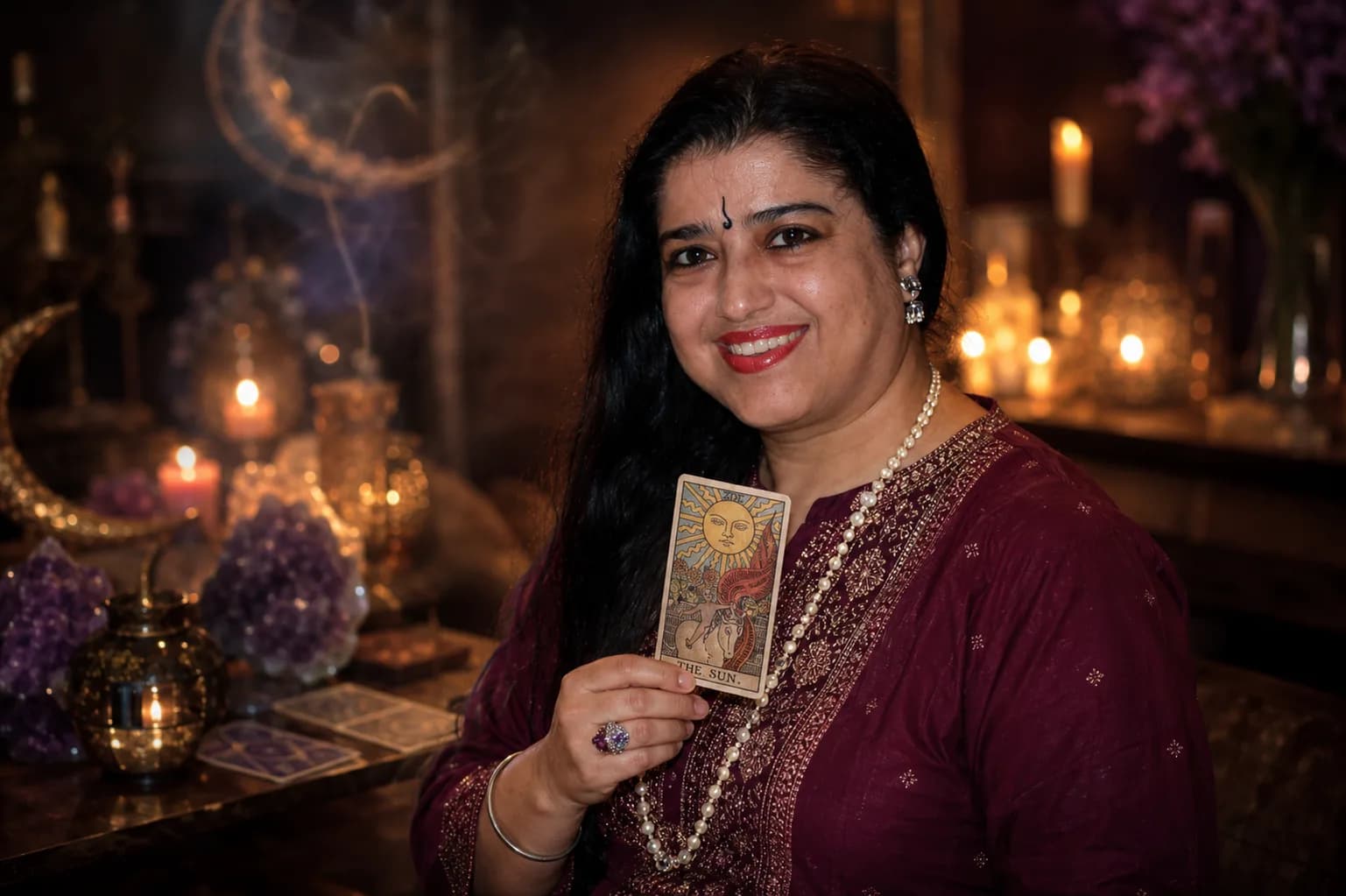
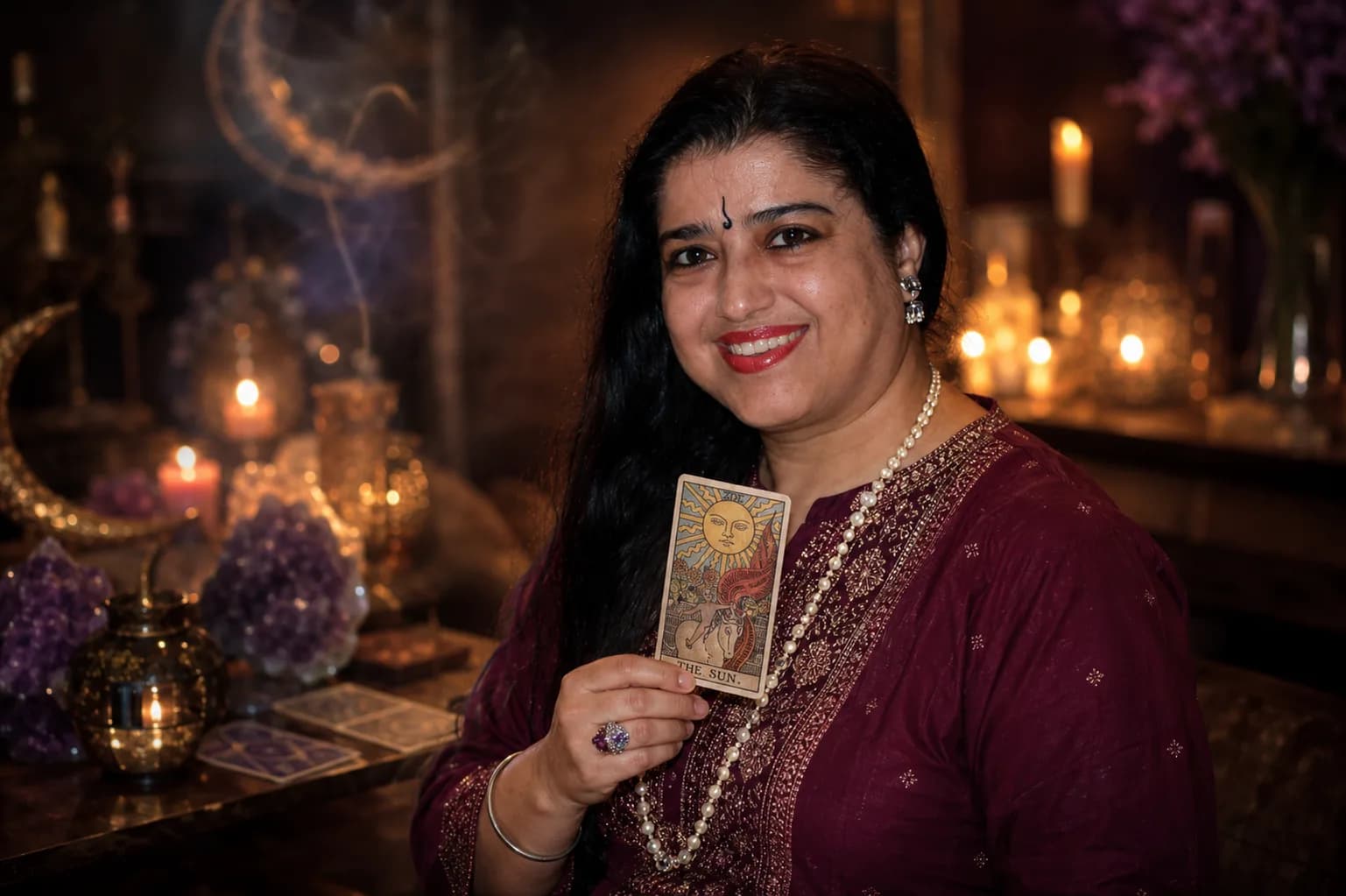
Manmeet Kaur
Tarot Reader · Reiki Master · Numerologist